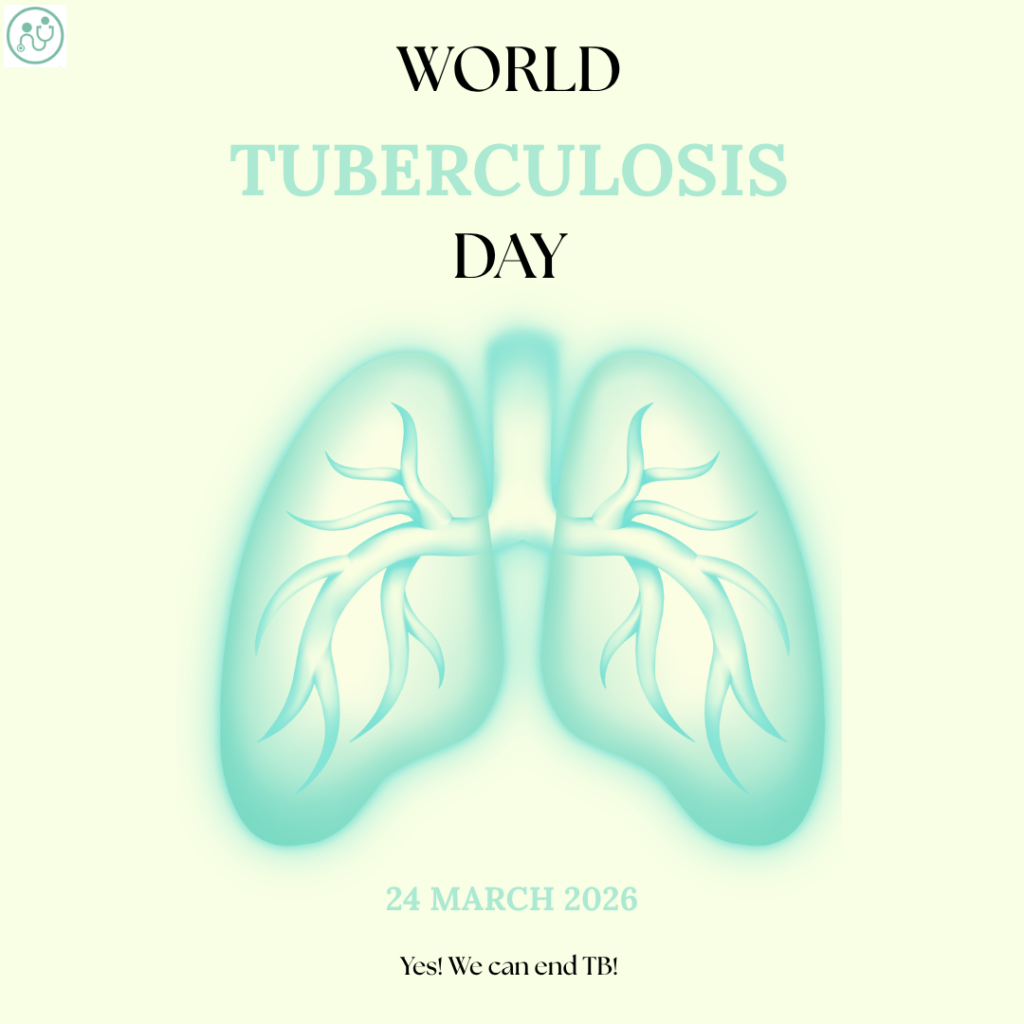
Every year on March 24, the world observes World Tuberculosis (TB) Day, a global effort to raise awareness about tuberculosis and accelerate action to end one of the deadliest infectious diseases. Despite being preventable and curable, TB continues to affect millions of people worldwide, making education and early detection critical in the fight against it.
What Is Tuberculosis?
Tuberculosis (TB) is an infectious disease caused by bacteria that primarily affects the lungs, though it can also impact other parts of the body such as the kidneys, spine, and brain. It spreads through the air when an infected person coughs, sneezes, or speaks, making it highly contagious in close-contact environments.
There are two forms of TB:
- Latent TB – the bacteria remain inactive in the body and cause no symptoms
- Active TB – the bacteria multiply and cause symptoms, making the person contagious
Why It Matters
TB remains one of the leading causes of death from infectious diseases globally. Many people affected by TB live in communities with limited access to healthcare, which delays diagnosis and treatment. Without proper care, TB can be fatal—but with early detection and the right medication, it is completely curable.
World TB Day also highlights the need to address stigma, improve healthcare access, and invest in prevention and treatment programs.
Common Symptoms
Symptoms of active TB may develop gradually and include:
- Persistent cough lasting more than two weeks
- Chest pain or difficulty breathing
- Coughing up blood or sputum
- Fever and night sweats
- Unexplained weight loss
- Fatigue and weakness
- Loss of appetite
Because these symptoms can resemble other illnesses, testing is essential for accurate diagnosis.
Risk Factors
Certain factors increase the risk of developing active TB:
- Weakened immune system (e.g., HIV, diabetes)
- Close contact with someone who has active TB
- Living in crowded or poorly ventilated conditions
- Malnutrition
- Smoking or substance use
Understanding these risks helps guide prevention efforts and early screening.
Prevention and Treatment
TB is both preventable and treatable with the right approach:
- Early testing and diagnosis
- Completing the full course of prescribed antibiotics
- Improving ventilation in living spaces
- Strengthening immune health through proper nutrition
- Vaccination (BCG vaccine) in high-risk areas
Adhering to treatment is critical—stopping medication early can lead to drug-resistant TB, which is harder to treat.
This Year’s Message: “Yes! We Can End TB”
This year’s theme is a call for hope and urgency. Ending TB is possible, but it requires commitment from individuals, communities, and governments. Increased awareness, better healthcare access, and reduced stigma are key to reaching this goal.
On World TB Day, let’s commit to learning, sharing, and taking action. TB is preventable. TB is curable. Together, we can end TB.