
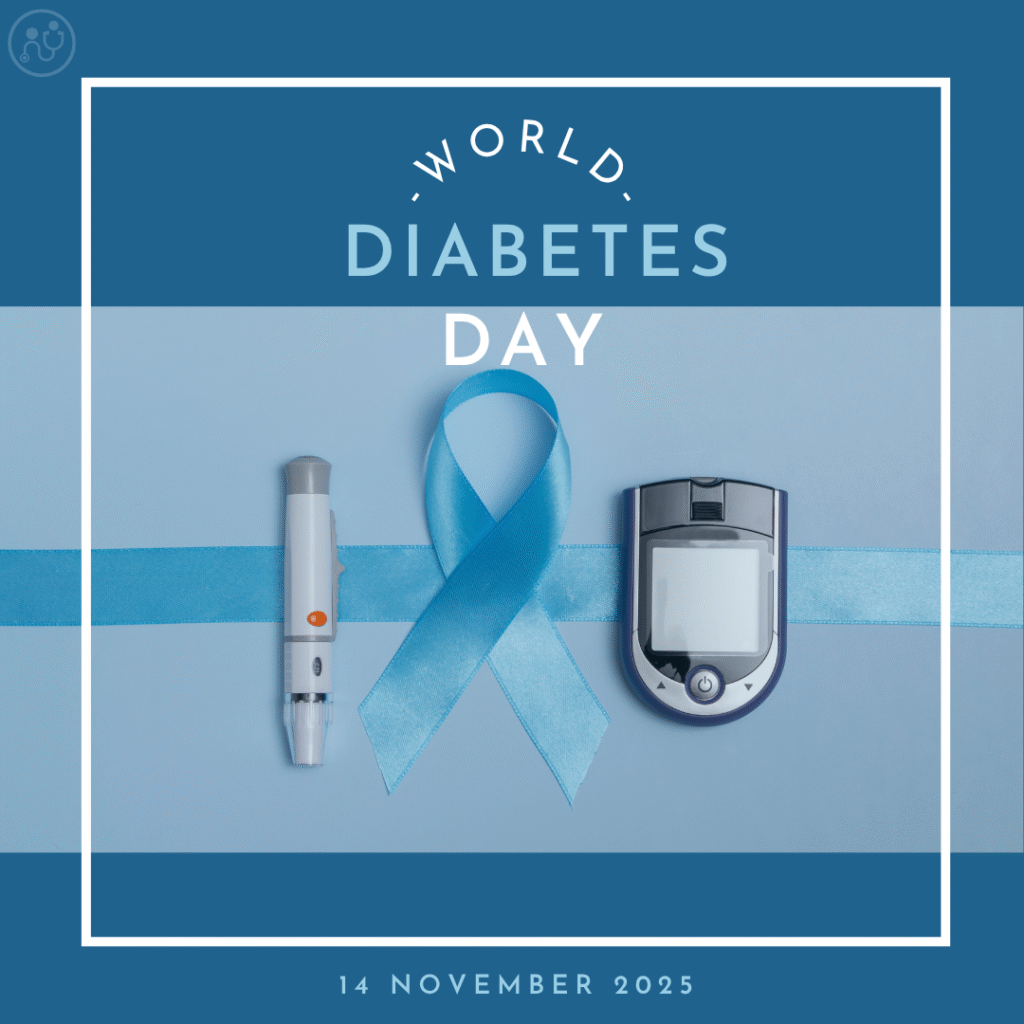
Every year on November 14, the world comes together to observe World Diabetes Day, the largest global awareness campaign dedicated to diabetes. Established by the International Diabetes Federation (IDF) and the World Health Organization (WHO), this day highlights the growing impact of diabetes and promotes the urgent need for education, early detection, and accessible care for all.
What Is Diabetes?
Diabetes is a chronic health condition where the body either doesn’t produce enough insulin or cannot use it effectively. Insulin is the hormone responsible for regulating blood sugar levels. When glucose builds up in the blood instead of being used for energy, it can lead to serious long-term complications.
The main types of diabetes include:
- Type 1 Diabetes – an autoimmune condition where the body stops producing insulin.
- Type 2 Diabetes – the most common form, often linked to lifestyle factors, where the body becomes resistant to insulin or doesn’t produce enough.
- Gestational Diabetes – occurs during pregnancy and increases the risk of developing type 2 diabetes later in life.
Why It Matters
More than 500 million people worldwide are living with diabetes, and the number continues to rise. Many individuals remain undiagnosed, putting them at greater risk for complications such as heart disease, kidney failure, vision loss, and nerve damage. World Diabetes Day aims to improve global understanding of the condition, encourage early screening, and promote healthy lifestyles that reduce risk.
Common Symptom
Recognizing early symptoms can lead to timely diagnosis and better management. Common signs include:
- Increased thirst and frequent urination
- Fatigue or weakness
- Sudden weight loss (especially in type 1)
- Blurred vision
- Slow-healing wounds
- Tingling or numbness in hands and feet
If you experience these symptoms, consulting a healthcare provider is essential.
Risk Factors
Certain factors increase the likelihood of developing diabetes, particularly type 2:
- Family history
- Being overweight or physically inactive
- Poor diet high in sugar and processed foods
- Age (risk increases after 45)
- High blood pressure or high cholesterol
- History of gestational diabetes
The more risk factors present, the greater the need for regular screening.
Prevention and Action
While type 1 diabetes cannot be prevented, type 2 diabetes is highly preventable and manageable:
- Maintain a balanced diet rich in whole foods
- Exercise regularly
- Keep a healthy weight
- Monitor blood sugar levels if at risk
- Attend routine health checkups
Education remains one of the most powerful tools for prevention and management.
This Year’s Message: “Access to Diabetes Care”
World Diabetes Day emphasizes the importance of making diabetes care—screening, medication, nutritional guidance, and education—accessible to everyone. Millions of people still struggle to get the support they need, but awareness and advocacy can drive meaningful change.
On November 14, let’s raise our voices for better health, early detection, and accessible care. Together, we can reduce the global impact of diabetes—one step at a time.