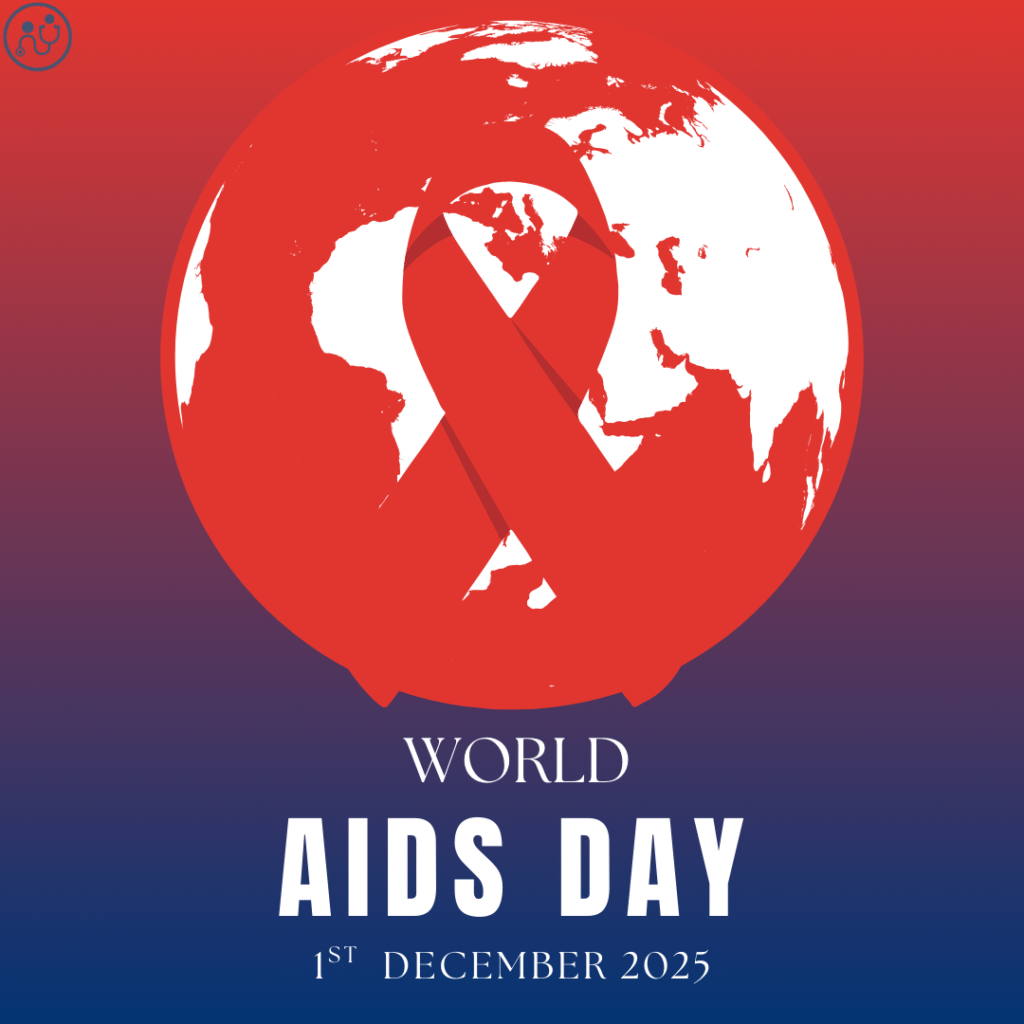
Every year on December 1, the world commemorates World AIDS Day, a global movement dedicated to supporting people living with HIV, honoring those we have lost, and renewing the commitment to ending the HIV epidemic. Established in 1988, it was the first-ever global health day, and it continues to unite communities, governments, and organizations in the fight against HIV/AIDS.
What Is HIV/AIDS?
HIV (Human Immunodeficiency Virus) attacks the body’s immune system, specifically the CD4 cells (T cells), which are essential for fighting infections. Without treatment, HIV can weaken the immune system over time and progress to AIDS (Acquired Immunodeficiency Syndrome), the most advanced stage of HIV.
Thanks to modern medicine, especially antiretroviral therapy (ART), people living with HIV can lead long, healthy lives. When taken consistently, ART can lower the viral load to undetectable levels—meaning HIV cannot be transmitted sexually (U=U: Undetectable = Untransmittable).
Why It Matters
Globally, more than 39 million people are living with HIV, and while progress has been significant, HIV stigma, discrimination, and unequal access to healthcare still persist. World AIDS Day raises awareness, fights misinformation, and encourages testing, treatment, and compassion.
This day also serves as a reminder that ending HIV is possible—but only through collective action, education, and continued support for affected individuals and communities.
Common Symptoms of HIV
HIV symptoms vary depending on the stage of infection. Some people experience early flu-like symptoms, while others show none for years.
Early signs may include:
- Fever, chills, or night sweats
- Fatigue
- Swollen lymph nodes
- Rash
- Sore throat
- Muscle aches
As HIV progresses without treatment, symptoms can become more severe and include weight loss, chronic infections, and neurological issues.
Risk Factors
Anyone can contract HIV, but certain factors increase risk:
- Unprotected sex
- Sharing needles or injection equipment
- Having another sexually transmitted infection
- Receiving unsafe blood transfusions (rare in countries with regulated systems)
- Mother-to-child transmission without treatment
Understanding these risk factors helps promote safer practices and timely testing.
Prevention and Action
HIV is preventable, treatable, and manageable. Key prevention methods include:
- Using condoms consistently
- Taking PrEP (Pre-Exposure Prophylaxis) if at higher risk
- Regular HIV testing
- Avoiding sharing needles
- Ensuring pregnant women receive appropriate treatment to prevent transmission
Most importantly, education and compassion play a major role in ending stigma, which remains one of the biggest barriers to prevention and care.
This Year’s Message: “Let Communities Lead”
The theme emphasizes the power of community-led initiatives—grassroots movements, peer support, youth advocates, and local organizations—who are at the heart of progress. When communities lead, stigma lowers, access improves, and lives are saved.
On this World AIDS Day, let’s remember, support, and act. Together, we can build a world free of stigma, full of understanding, and committed to ending HIV for good.