
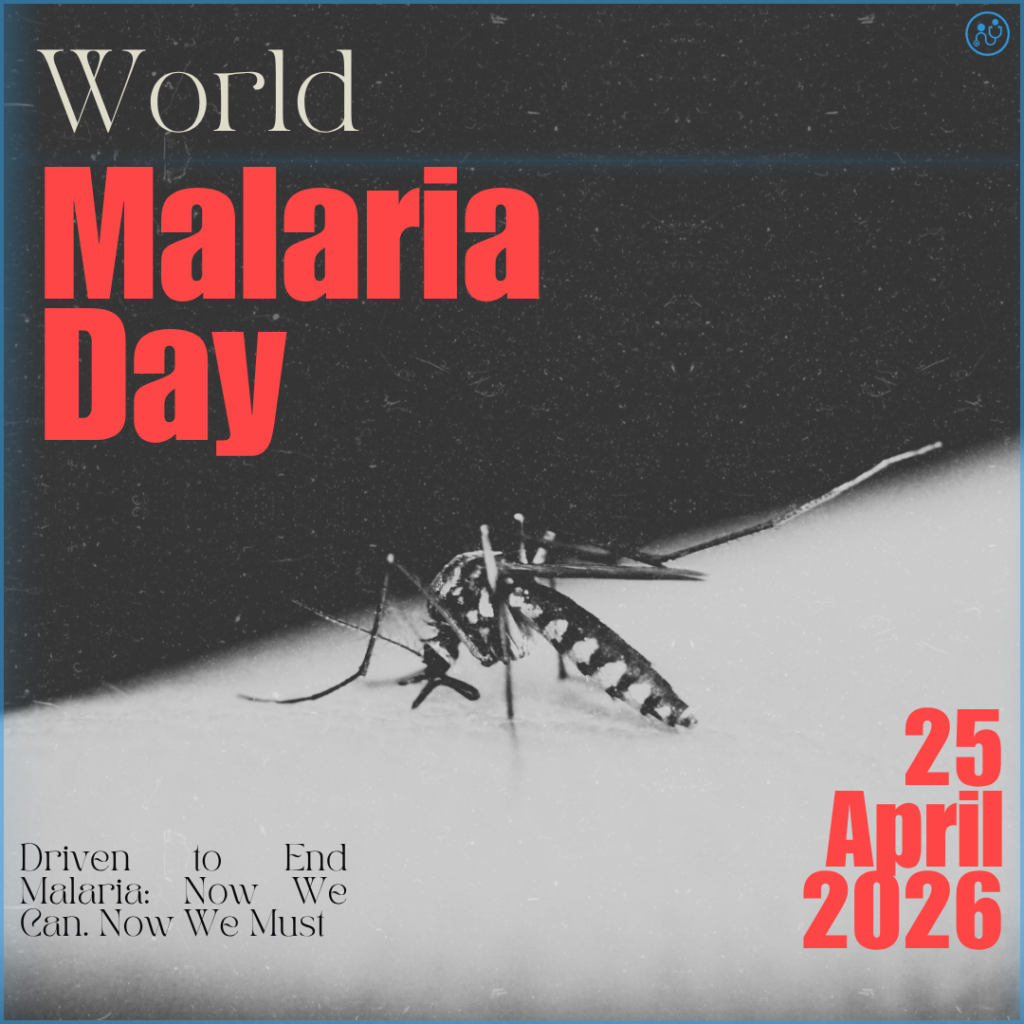
Every year on April 25, the world marks World Malaria Day, a global initiative focused on raising awareness and strengthening efforts to control and eliminate malaria. Despite major progress over the years, malaria remains a serious public health challenge—especially in parts of Africa, where it continues to affect millions of people annually. This day highlights the importance of prevention, early diagnosis, and effective treatment.
What Is Malaria?
Malaria is a life-threatening disease caused by parasites that are transmitted to humans through the bites of infected female Anopheles mosquitoes. Once inside the body, the parasites travel to the liver and then infect red blood cells, leading to a range of symptoms that can become severe if not treated promptly.
Why It Matters
Malaria continues to place a heavy burden on healthcare systems and communities. Young children, pregnant women, and individuals with weakened immune systems are especially vulnerable. Although malaria is preventable and treatable, delays in care and limited access to resources contribute to avoidable illness and death.
World Malaria Day serves as a reminder that consistent prevention efforts and community awareness are essential to reducing cases and protecting lives.
Common Symptoms
Malaria symptoms can appear within 10–15 days after a mosquito bite and may include:
- Fever and chills
- Headache
- Sweating
- Nausea and vomiting
- Muscle pain and fatigue
In severe cases, malaria can lead to complications such as difficulty breathing, organ failure, or severe anemia, which require urgent medical attention.
Risk Factors
Certain conditions increase the risk of malaria infection:
- Living in or traveling to malaria-endemic regions
- Lack of access to mosquito prevention methods
- Poor housing or inadequate protective barriers (e.g., no window screens or bed nets)
- Pregnancy or weakened immunity
Prevention and Action
Malaria is largely preventable through simple but effective measures:
- Use insecticide-treated mosquito nets while sleeping
- Apply mosquito repellents and wear protective clothing
- Eliminate standing water where mosquitoes breed
- Ensure indoor spaces are properly screened or sprayed
- Seek early testing and treatment if symptoms appear
Community-wide efforts, including public health campaigns and access to preventive tools, are essential in reducing transmission.
This Year’s Message: “Driven to End Malaria: Now We Can. Now We Must.”
The theme emphasizes urgency and accountability in the fight against malaria. It calls on governments, healthcare providers, and individuals to act decisively and ensure that prevention and treatment reach everyone who needs them.
On World Malaria Day, let’s commit to protecting our communities through awareness and action. Malaria is preventable, treatable, and beatable—together, we can move closer to a malaria-free world.