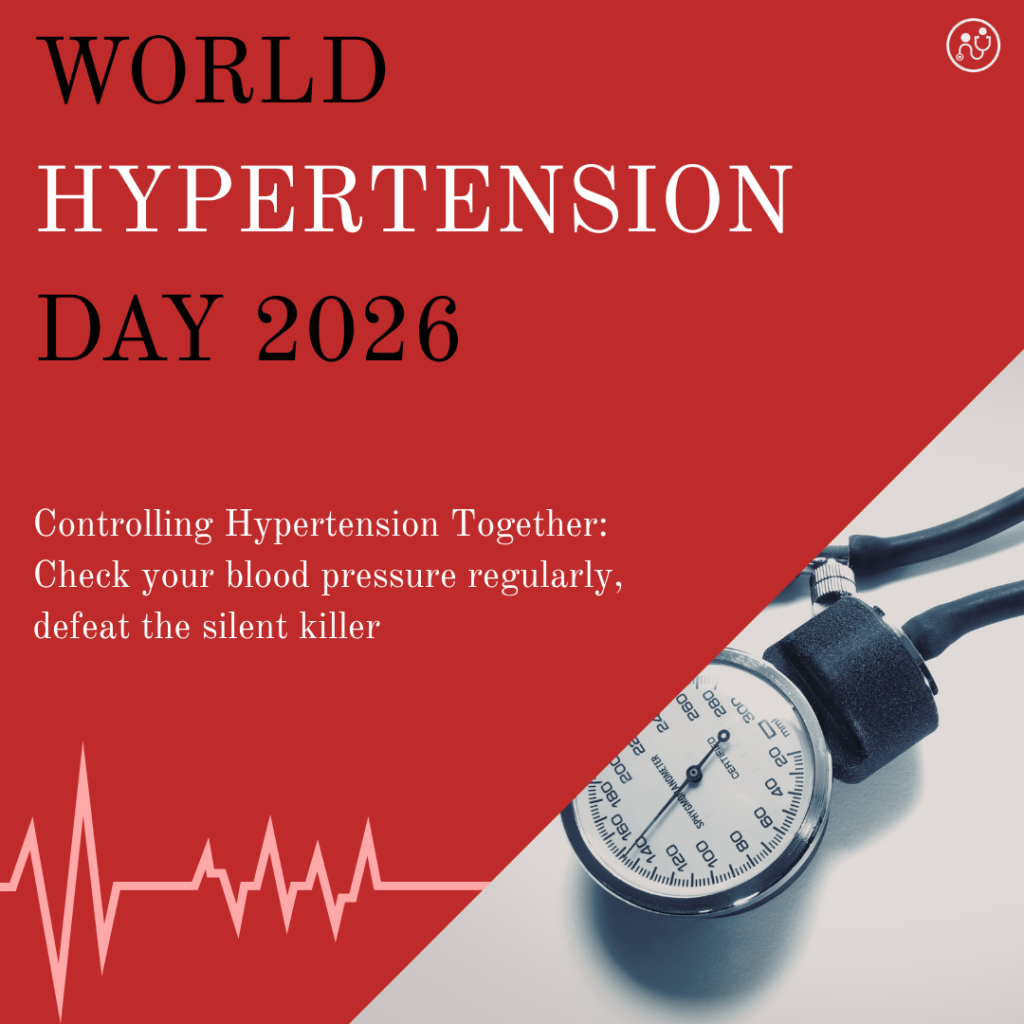
Every year on May 17, the world observes World Hypertension Day, a global awareness campaign focused on educating people about hypertension, also known as high blood pressure. Often called the “silent killer,” hypertension can develop without noticeable symptoms while quietly increasing the risk of serious health complications such as heart disease, stroke, and kidney failure.
This day encourages people everywhere to check their blood pressure regularly, understand the risks, and take steps toward healthier living.
What Is Hypertension?
Hypertension occurs when the force of blood pushing against the walls of the arteries remains consistently too high. Over time, this extra pressure damages blood vessels and organs, placing strain on the heart and circulatory system.
Blood pressure readings are measured using two numbers:
- Systolic pressure – pressure when the heart beats
- Diastolic pressure – pressure when the heart rests between beats
A consistently elevated reading may indicate hypertension and should be evaluated by a healthcare professional.
Why It Matters
Hypertension affects millions of people worldwide, yet many individuals don’t know they have it because symptoms may not appear until damage has already occurred. Left uncontrolled, high blood pressure significantly increases the risk of:
- Heart attacks
- Stroke
- Heart failure
- Kidney disease
- Vision problems
World Hypertension Day raises awareness about the importance of prevention, routine screening, and early management.
Common Symptoms
Although hypertension often develops silently, some people may experience:
- Frequent headaches
- Dizziness
- Blurred vision
- Chest pain
- Shortness of breath
- Fatigue or confusion
However, many people experience no symptoms at all, which is why regular blood pressure checks are essential.
Risk Factors
Several factors can increase the risk of hypertension:
- High salt intake
- Lack of physical activity
- Obesity or excess weight
- Smoking and excessive alcohol use
- Stress
- Family history of hypertension
- Diabetes or high cholesterol
- Increasing age
Understanding these risk factors can help individuals make healthier lifestyle choices early on.
Prevention and Management
Hypertension can often be prevented or controlled through healthy habits:
- Eat a balanced diet low in salt and processed foods
- Exercise regularly
- Maintain a healthy weight
- Avoid smoking and limit alcohol intake
- Manage stress effectively
- Monitor blood pressure routinely
- Take prescribed medication consistently if needed
Small lifestyle changes can make a significant difference in reducing blood pressure and protecting long-term health.
This Year’s Message: “Measure Your Blood Pressure Accurately, Control It, Live Longer”
This year’s message emphasizes the importance of accurate monitoring and timely treatment. Knowing your numbers empowers you to take control of your health before complications arise.
On World Hypertension Day, take a moment to check your blood pressure, encourage loved ones to do the same, and prioritize heart health. Awareness today can prevent serious illness tomorrow.